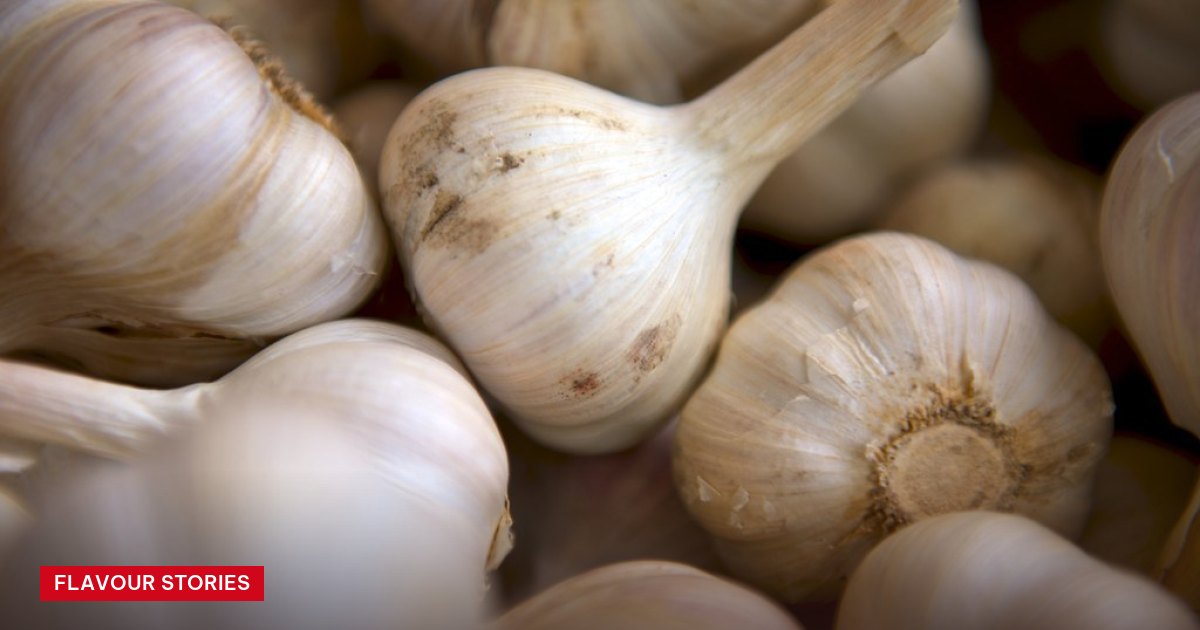
Ly Son garlic is a small, chalky-white garlic grown in layers of sand over volcanic soil on Ly Son, an island off Quang Ngai. Protected as a geographical indication since 2020, it is valued for a mild, sweet, low-pungency taste that suits Vietnamese dipping sauces.
Vietnamese cooks often call it “white gold”. For an importer or a brand developing a garlic-based sauce, the more useful questions are practical ones: where the crop really comes from, what sets its flavour apart, when it is available, and what a label that names it has to be able to prove. This story, written as of October 2026, answers them from official and press sources.
1. Where does Ly Son garlic come from?
It comes from Ly Son, an island of about 1,000 hectares off the coast of Quang Ngai province in central Vietnam, now administered as the Ly Son special zone. According to Viet Nam Pictorial, republished by the government news portal, the island was formed by eruptions of five now-extinct volcanoes, and onion and garlic fields cover more than 300 hectares, about a third of its land.
1.1. Volcanic soil under a layer of sand
The island’s ground is mostly old lava mixed with sand and coral. Farmers spread sand in flattened layers over the basalt soil, loosen it by hand before planting, and water the fields twice a day, morning and afternoon, to counter salinity from the sea. Vietnam News Agency describes this sand-and-volcanic-soil method as a tradition handed down through generations.
1.2. From family gardens to a protected name
Settlers reclaimed the island, then known as Cu Lao Re, about 400 years ago. Garlic stayed a small family-garden crop until 1975 and spread to mainland markets after reunification. Ly Son onion and garlic received a collective trademark in 2009, and on 5 July 2020 the Intellectual Property Office of Vietnam handed the district a geographical indication (GI) certificate for its garlic.
2. What does Ly Son garlic taste like, and how is it used?
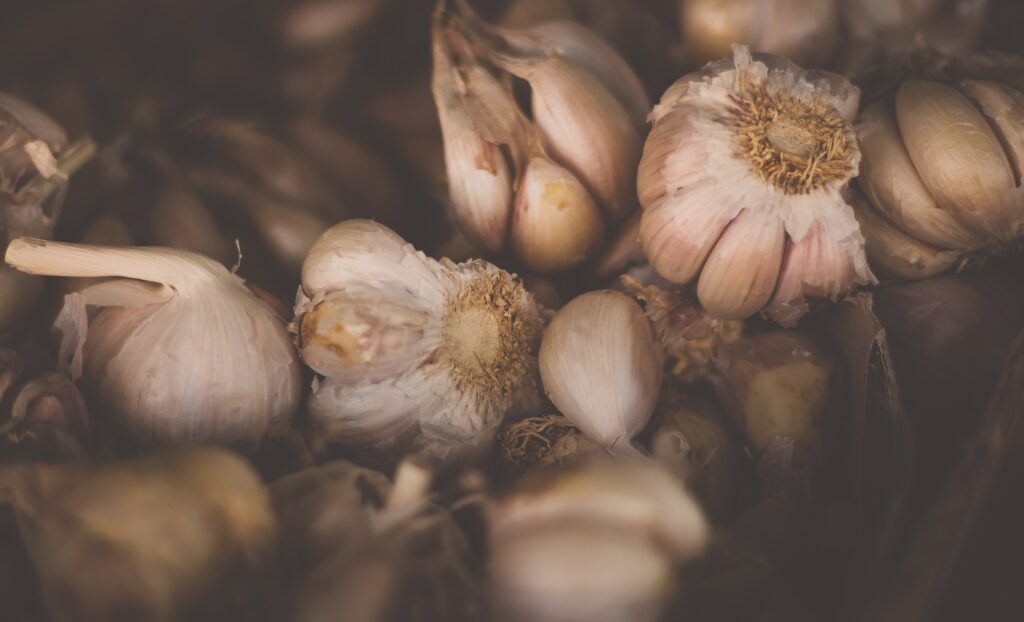
The island’s garlic tastes milder and sweeter than most garlic. The GI description, as reported by Đại biểu Nhân dân newspaper, says its aroma is gentle rather than sharp, its heat is low and it leaves a sweet note on the tip of the tongue. The bulbs are small, averaging about 7.87 g, with chalky-white skins and off-white flesh tinged green.
The fields also yield a rare single-clove garlic: VnExpress reported in 2014 that a 500 m² plot producing about 600 kg of regular garlic gave only 2–5 kg of it, sold at around 11 times the price of ordinary bulbs. In the kitchen, raw garlic does its most visible work in nước chấm: a typical recipe published by SBS Food mixes one minced clove and a chilli with fish sauce, rice vinegar, lime juice, sugar and water. Dips like this are what diners reach for with rice paper rolls, including those made with Trang Bang rice paper, softened by the night dew.
| Key fact | Detail |
|---|---|
| Region | Ly Son island (now Ly Son special zone), Quang Ngai, central Vietnam |
| Growing method | Sand layered over volcanic basalt soil, watered twice daily |
| Season | Planted around September–October; harvested from about March, after nearly half a year |
| Planted area | About 314 ha in the 2025–2026 winter-spring crop |
| Bulb profile | Small (about 7.87 g, 24.95 mm across); chalky-white skin, off-white flesh with a green tint |
| Flavour | Mild aroma, low pungency, sweet finish |
| Protection | Collective trademark (2009); geographical indication certificate (July 2020) |
| Farm-gate price, March 2026 | Fresh garlic VND 30,000–40,000/kg, below the VND 60,000–70,000/kg growers say they need to profit |
Seafood versions of these dips often use tắc, the small citrus known abroad as Vietnamese kumquat, in place of lime.
3. From traditional kitchen to packaged product
Moving a premium garlic from a market stall into a bottled dip raises four practical points for brand owners and importers.
- Prove the origin before you print it. Garlic from elsewhere has long been passed off as the island’s product; in 2020 local authorities reported six cases of outside garlic shipped to the island. If a label names Ly Son, ask the supplier for traceability records and packaging that matches the GI’s specifications.
- Reformulate for a milder bulb. A low-pungency garlic changes the balance of a dip built on sharper garlic, so expect to retune garlic dosage, acidity and chilli during sampling rather than swap ingredients one for one.
- Plan around one harvest and volatile prices. There is one main crop a year, and prices swing widely: dried garlic fell to a record VND 25,000/kg in 2018, and fresh garlic traded at only VND 30,000–40,000/kg in March 2026. Agree on volumes, storage and a fallback garlic grade early.
- Decide whether the origin is a claim or just an ingredient. A premium origin story only pays off if it appears on the front of pack; otherwise a standard garlic grade may meet the flavour target at lower cost. The same logic applies to other origin ingredients, such as how Phu Quoc fish sauce earned EU protection.
Writing these decisions into your brief is part of what to prepare before outsourcing a sauce. CiCook’s range of garlic-chilli dips and ready-mixed garlic-chilli fish sauce is made under ISO 22000:2018 and HACCP, with a COA for every batch.
Other regional condiments raise the same origin questions, including the sun-ripened soybean sauce of Ban village.
A fresher aromatic raises a similar question in a dip; our note on how lemongrass is cut and handled in Vietnamese cooking covers the trial points.
FAQ
Is Ly Son garlic a geographical indication?
Yes. The Intellectual Property Office of Vietnam granted the geographical indication certificate, handed over on 5 July 2020. Ly Son onion and garlic had already been protected as a collective trademark since 2009.
When is Ly Son garlic harvested?
It is planted around September–October and harvested from about March, after nearly half a year in the fields. By mid-March 2026 more than half of the island’s crop had already been lifted.
Developing a garlic-based dip or sauce for your market? Talk to our sauce development team or message us on WhatsApp at +84 813 378 398.
References
- Báo Chính phủ / Viet Nam Pictorial: Ly Son – kingdom of onions and garlic
- Đại biểu Nhân dân (6/7/2020): Tỏi Lý Sơn được cấp chứng nhận chỉ dẫn địa lý
- Sài Gòn Giải Phóng (15/7/2020): Thách thức bảo vệ thương hiệu tỏi Lý Sơn
- Báo Văn hóa (18/3/2026): Chi phí tăng, giá giảm: người trồng tỏi Lý Sơn đối mặt áp lực kép
- Vietnam News Agency (30/7/2026): Ly Son’s fields turn a new shade after the garlic harvest
- VnExpress (25/9/2014): Tỏi cô đơn loạn giá
- SBS Food (8/10/2019): Nuoc cham (Vietnamese dipping sauce)
Compiled and edited by the CiCook editorial team from the sources listed under References. For information only; please check the original documents before making business decisions.