Since 30 June 2026, EU Regulation 2026/1206 has kept Vietnamese fresh, chilled and frozen chilli under 50% border checks, with an official certificate and laboratory results. No Vietnam row names bottled sauces, but buyers should still confirm customs codes and test the chilli itself.
1. Which Vietnamese foods face extra EU checks?
Four Vietnamese products are listed: durian, okra, dragon fruit and chilli other than sweet peppers. They appear in the annexes of Regulation (EU) 2019/1793, in the version set by Implementing Regulation (EU) 2026/1206, published on 10 June 2026 and applicable from 30 June 2026. The percentage is the share of consignments that get identity and physical checks at the EU border.
| Product from Vietnam | Form covered | CN code | Annex | Hazard | Check rate |
|---|---|---|---|---|---|
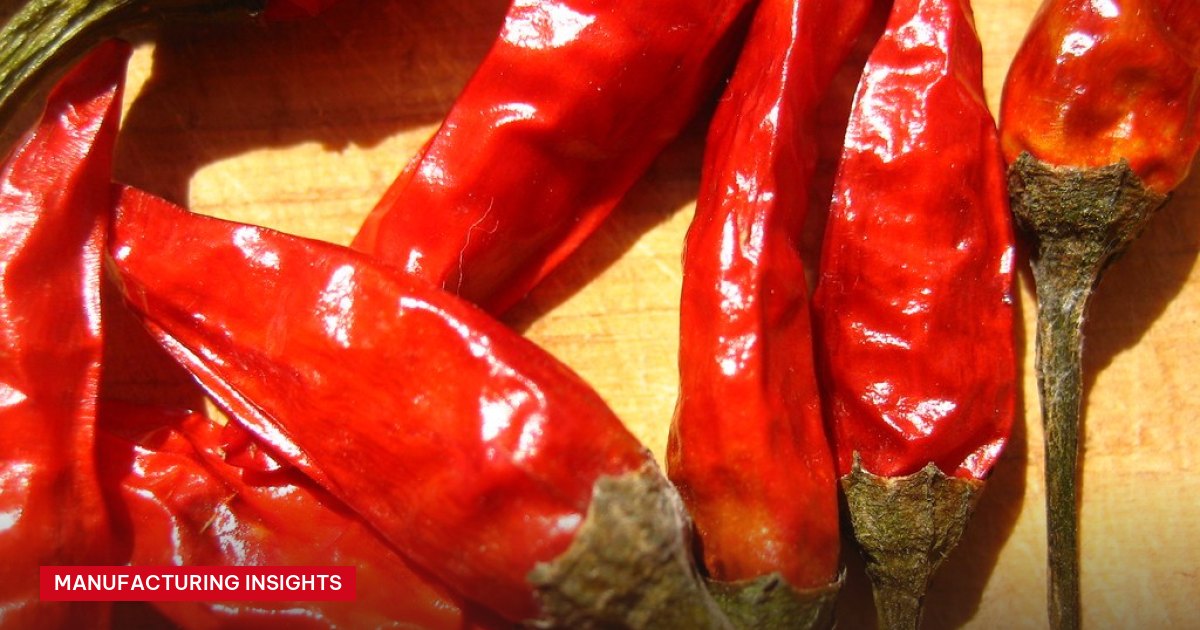
| Chilli (Capsicum other than sweet) | Fresh, chilled or frozen | Including ex 0709 60 99 20 and ex 0710 80 59 20 | II | Pesticide residues | 50% |
| Okra | Fresh, chilled or frozen | ex 0709 99 90 20; ex 0710 80 95 30 | II | Pesticide residues | 50% |
| Dragon fruit | Fresh or chilled | ex 0810 90 20 10 | II | Pesticide residues | 30% |
| Durian | Fresh or chilled | 0810 60 00 | I | Pesticide residues | 20% |
Vietnam is not named in the AGRINFO summary of the June 2026 changes, so these rows carried over rather than tightened in that round. Vietnam’s SPS Office gave the same rates at a press conference on 16 September 2026. Dragon fruit is sometimes reported at 50%, but the agriculture ministry has corrected that figure to 30%.
2. Does the chilli entry cover chilli sauce?
Not by name: the Vietnam row lists only fresh, chilled and frozen chilli, and no CN 2103 sauce code appears against Vietnam. That is useful, but it is not a blanket clearance for every chilli product.
Two reasons call for care. First, Article 1 of Regulation 2019/1793 applies the Annex II conditions to consignments “containing any of the food and feed listed” in that annex, and the articles do not define a recipe threshold for sauces. Second, products near the line, such as frozen chopped chilli or a frozen chilli paste, depend on how they are classified.
The practical sequence is to fix the CN code from the actual recipe and process, then ask your customs broker or the EU border control post to confirm the treatment in writing. This article is general information, not legal advice.
3. What must a listed consignment carry?
Each Annex II consignment needs an official certificate and the results of sampling and analysis, on top of the border checks. Annex I goods such as durian face increased border checks without that certificate step.
- Laboratory: analysis by a laboratory accredited to ISO/IEC 17025.
- Certificate timing: valid for up to four months from issue and no more than six months from the laboratory results.
- Traceability: an identification code for the consignment, shown on each bag or package.
- Test scope for chilli: the multi-residue GC-MS and LC-MS pesticide scope, plus dithiocarbamates (expressed as CS2), phenthoate and quinalphos.
The dithiocarbamate, phenthoate and quinalphos lines come from a footnote to the Vietnam row, and a standard multi-residue panel may not include all of them. That is the first thing to check on a laboratory quotation.

4. Where do sauce buyers get caught out?
The main risks are a moving list, a tight certificate window and a recipe that drifts away from its paperwork.
- The list moves. Article 12 requires a review at intervals of no more than six months, and 2026 has already brought changes on 18 February and 30 June. A specification written last year may be out of date.
- Residue limits move too. Vietnam’s SPS Office said on 16 September that the EU was reviewing limits for eight active substances, including profenofos and fenpropathrin, across crops including chilli. It counted 88 EU notifications from 1 January to 10 September 2026, 61 of them in effect.
- Sea freight eats the certificate window. For frozen chilli, the six-month limit runs from the laboratory date, so testing too early leaves less room for delays.
- Recipes change. A switch from sauce to chunky paste, or a kit with a frozen chilli sachet, can change the customs code and the answer in section 2.
5. A checklist for buying chilli products from Vietnam
These five steps fit into an ordinary supplier review and cost little compared with a consignment held at the border.
- Write the proposed CN code and full ingredient percentages into the specification, then have your broker confirm them.
- Check the current annexes on EUR-Lex before each contract year, not only when a problem appears.
- Ask the supplier how it controls pesticide residues in raw chilli, and which residues its incoming tests cover.
- Request results that name the laboratory and its accreditation, and compare the scope with the footnote list above.
- Plan testing dates backwards from the expected EU arrival date if your product does fall under Annex II.
6. What this means for your brand
If you sell a shelf-stable chilli sauce in the EU, the priority is correct classification and ingredient control, not the 50% figure alone. For wider context on trade flows, see our report on Vietnam’s spice exports to the EU. Selling in both markets raises a separate question, covered in our guide to FDA acidified foods rules for sauces.
CiCook makes dipping sauces and other private-label product ranges under ISO 22000:2018 and HACCP, and provides a COA with every batch. Buyers can use that COA as one input to the checks above, alongside their own market-specific testing.
Smoky chilli and BBQ sauces face a separate EU rule: check the EU phase-out of smoke flavourings in sauces before approving a recipe. Packaging is a separate EU file: see what the PPWR packaging rules mean for sauce importers. Shipments to Britain follow a separate regime: see the GB rules on composite products and sauce labels.
FAQ
Is Vietnamese black pepper on the EU increased-controls list?
No. In the annexes applying from 30 June 2026, the Vietnam rows cover only chilli, okra, dragon fruit and durian. Pepper must still meet general EU food law, including pesticide residue limits.
How often does the EU update the list?
At least every six months. Article 12 of Regulation 2019/1793 requires a review at intervals of no more than six months, so importers should recheck the annexes before each new contract.
Planning a chilli sauce for the EU? Send your brief to our team or message us on WhatsApp at +84 813 378 398.
References
- Official Journal of the EU (10 June 2026): Implementing Regulation (EU) 2026/1206, Spanish text
- EUR-Lex (consolidated version of 18 February 2026): Implementing Regulation (EU) 2019/1793
- AGRINFO (revised 10 June 2026): Temporary increased official controls, June 2026 update
- WTO and Integration Centre, VCCI (18 September 2026): Vietnamese farm exports under pressure from new SPS measures
- WTO and Integration Centre, VCCI (30 March 2026): Dragon fruit exports to the EU checked at 30%, not 50%
Compiled and edited by the CiCook editorial team from the sources listed under References. For information only; please check the original documents before making business decisions.