
Exporting sauces to the UK mostly means getting the product category right. Plant-based shelf-stable sauces avoid veterinary checks, while sauces containing fish or other animal ingredients may need an approved plant, a health certificate and IPAFFS pre-notification. Every prepacked label must carry a UK address for the responsible business.
1. Which Vietnamese foods face extra checks at the UK border?
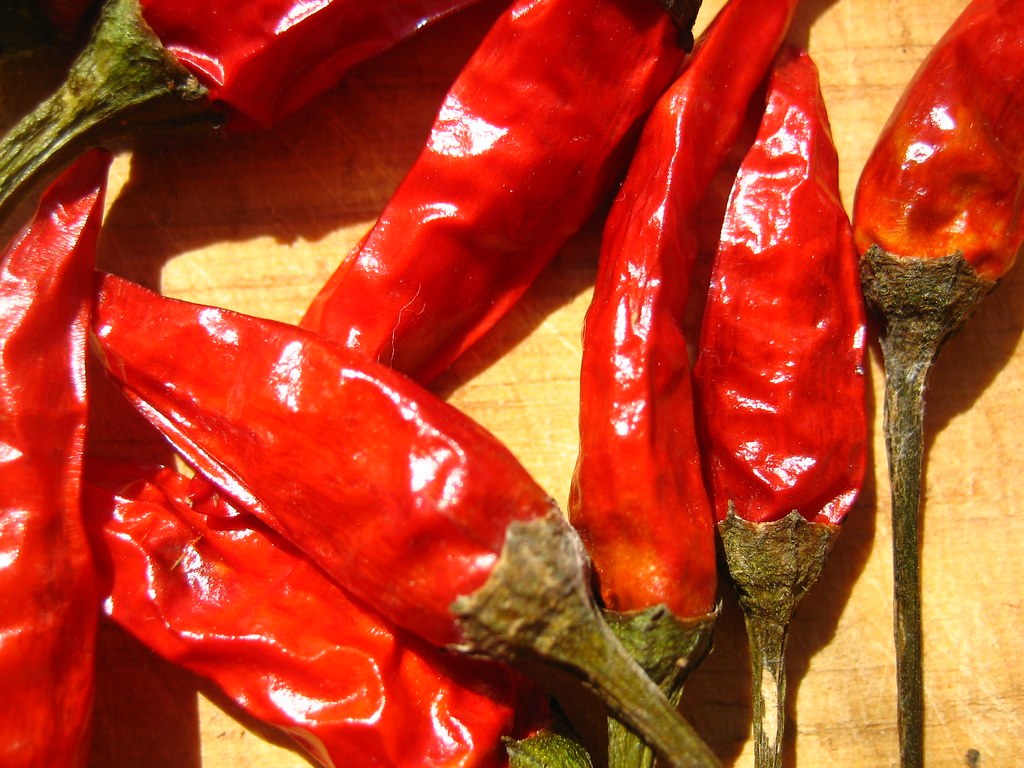
Finished sauces are not on the UK list of Vietnamese foods under special import restrictions. As of November 2026, the GOV.UK page Foodstuffs with GB import restrictions (updated 10 July 2026) names only fresh produce from Vietnam: okra, non-sweet Capsicum peppers, fresh coriander, basil, mint, parsley and dragon fruit, all flagged for pesticide residues.
A revised list of high-risk food not of animal origin (HRFNAO) took effect on 1 January 2026. According to Dover Port Health, the check rate for Vietnamese okra fell from 50% to 20% under that update. Dried chilli and bottled sauces are not covered, but the list shows which Vietnamese raw materials UK authorities watch most closely, a pattern similar to the EU border checks on Vietnamese chilli. That is useful input when you write a raw-material specification for a UK-bound product.
2. Do sauces made with fish sauce count as composite products?
Usually, yes. GB rules define a composite product as a food that contains both processed products of animal origin and products of plant origin, so a chilli dipping sauce made with fish sauce, or a hotpot base with shrimp paste, normally qualifies.
The Food Standards Agency guidance on importing composite products says the fishery content must come from an approved country and, where appropriate, an approved establishment. Under the GB risk categories for non-EU imports, composites are medium risk, or low risk if shelf stable at ambient temperature and sterilised. Low-risk goods need an IPAFFS notification but no health certificate; medium-risk goods need a health certificate and face documentary, identity and physical checks, with physical check rates between 1% and 30%.
Some sauces fall outside veterinary checks altogether. Import information note IIN CP/1 exempts composites listed in Annex II of Decision 2007/275/EC, or those meeting its Article 6 conditions, such as containing no meat, less than half other processed animal products and being shelf stable or fully heat-treated. Annex II includes soup stocks and flavourings packaged for the final consumer with less than 50% fish oils, fish powders or fish extracts.
A fish sauce made only from fish and salt has no plant ingredient, so it is handled as a fishery product rather than a composite. Seafish notes that Vietnamese fishery products must come from a registered establishment, travel with health certification and be pre-notified on IPAFFS before arrival at a border control post (BCP). Catch certificates are often required for wild-caught seafood.
| Product type | Example | Main UK requirement (as of November 2026) |
|---|---|---|
| Plant-only sauce | Chilli-garlic sauce, tamarind dip | No veterinary border checks; GB labelling rules apply |
| Composite, shelf stable and sterilised | Retorted dipping sauce with fish sauce | Low risk: IPAFFS notification, BCP entry, no health certificate (unless exempt) |
| Composite, other | Chilled marinade with fish sauce | Medium risk: health certificate; documentary, identity and physical checks (1–30%) |
| Fishery product | Anchovy and salt fish sauce | Registered Vietnamese establishment, health certificate, IPAFFS pre-notification, BCP |
| Fresh raw materials | Fresh chilli, coriander, okra | On the GB import restrictions list for pesticide residues |
3. Industry pain points
- Recipe changes move the goalposts. Adding fish sauce, shrimp paste or dried shrimp to a plant-based sauce can turn it into a composite product with a different set of border rules.
- Ingredient traceability. The brand owner has to show that the fishery ingredient comes from an approved establishment, which is harder when fish sauce is bought through traders.
- Label rework. Labels designed for Vietnam or the EU rarely carry a UK address, and allergens common in Vietnamese sauces, such as fish, crustaceans, soya or peanuts, must be emphasised in the ingredients list.
- Small packs. The FSA packaging and labelling guidance sets a minimum x-height of 1.2 mm, or 0.9 mm when the largest surface is under 80 cm², which is tight on sachets.
4. Lessons from the field
- Classify every SKU before costing. List each animal-derived ingredient and its percentage, then decide whether the sauce is plant-only, composite or a fishery product.
- Design for shelf stability where the recipe allows. A shelf-stable, sterilised composite falls into the low-risk category, which removes the health certificate step.
- Request traceability documents early. Ask the manufacturer for the approval status of the fish sauce or shrimp paste source before you finalise the formula.
- Build a UK-specific label. Include the UK importer’s address, emphasise allergens and check font sizes on the smallest pack.
- Agree who files IPAFFS. Pre-notification is made by the UK importer before the goods arrive, so share product data in good time.
5. What this means for your brand
Treat exporting sauces to the UK as a design decision, not a shipping detail. Fix the product category and label at the recipe stage, confirm borderline cases with your importer or the APHA imports team, and keep a document pack per SKU. If you also sell into North America, compare these steps with Canada’s licence and labelling rules for imported sauces. Brands looking at Asia-Pacific should also read how Australia inspects and labels imported sauces.
CiCook manufactures sauces and seasonings in a facility registered with the US FDA and certified to ISO 22000:2018, with HACCP controls and a COA for every batch. Plant details are on the CiCook factory and certifications page.
FAQ
Do I need a health certificate to export chilli sauce to the UK?
Not for a sauce made only from plant ingredients. A health certificate is needed when the sauce is a composite or fishery product in the medium-risk category, for example a sauce with fish sauce that is not shelf stable and sterilised.
Whose address must appear on a sauce label sold in the UK?
Since 1 January 2024, prepacked food sold in Great Britain must show a UK address for the food business operator. If the brand owner is based outside the UK, the label carries the address of the UK importer.
To discuss a UK-ready sauce formula and label, reach our team through the ODM Seasoning contact page or on WhatsApp +84 813 378 398.
References
- GOV.UK (updated 10 July 2026): Foodstuffs with GB import restrictions
- Dover Port Health (5 December 2025): New HRFNAO import control changes coming on 1st January 2026
- Food Standards Agency, GOV.UK (2026): Importing composite products
- APHA, GOV.UK (updated 18 July 2025): Import of composite products for human consumption (IIN CP/1)
- Defra, GOV.UK (updated 1 April 2025): Risk categories for animal and animal product imports from non-EU countries to Great Britain
- Food Standards Agency, GOV.UK (updated 4 September 2026): Packaging and labelling
- Defra, GOV.UK (updated 20 September 2022): Food labelling – giving food information to consumers
- Seafish (accessed 19 November 2026): Importing from Vietnam
Compiled and edited by the CiCook editorial team from the sources listed under References. For information only; please check the original documents before making business decisions.