
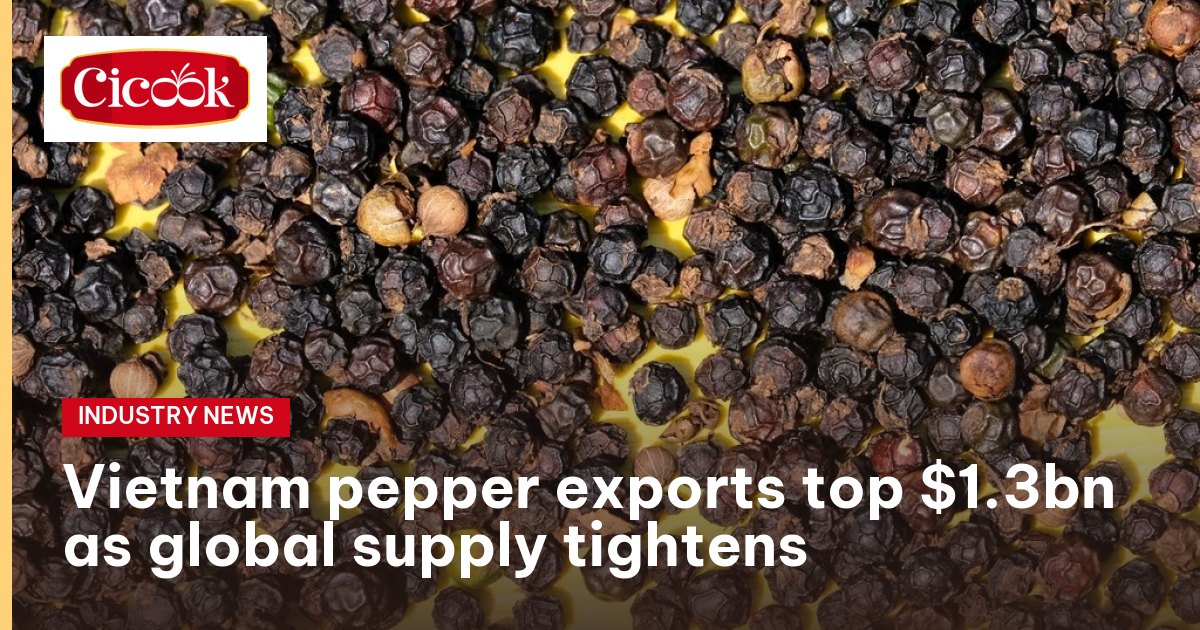
Vietnam exported 202,414 tonnes of pepper worth US$1.32 billion between 1 January and 15 September 2026, according to the Vietnam Pepper and Spice Association (VPSA). Tighter global supply is keeping prices firm, so importers and seasoning brands should plan for steady pepper costs and tougher EU residue controls.
The news
According to VPSA data reported by Vietnam News Agency’s VietnamPlus on 2 October 2026, pepper export volume in the period to 15 September rose 15.2% year on year, while export value rose 10.3%. In the first half of September alone, Vietnam shipped 10,915 tonnes worth about US$70 million.
The United States remained the largest buyer with 47,254 tonnes, or 23.5% of the total, followed by China (22,620 tonnes) and the United Arab Emirates (13,486 tonnes). Viet Nam News, reporting the same figures on 6 October, noted that Vietnam also imported 47,961 tonnes of pepper over the period, up about 35%.
| Indicator (VPSA data) | Figure |
|---|---|
| Exports, 1 Jan to 15 Sep 2026 | 202,414 tonnes (+15.2% y/y) |
| Export value, same period | US$1.32 billion (+10.3% y/y) |
| Top market: United States | 47,254 tonnes (23.5%) |
| China / UAE | 22,620 / 13,486 tonnes |
| Imports, same period | 47,961 tonnes (about +35% y/y) |
| Farm-gate price, 29 Sep 2026 | VND 136,000-140,000/kg (US$5.24-5.29), VND 10,000-12,000 below a year earlier |
| Global carry-over stocks 2025-2026 (forecast) | About 170,000 tonnes, incl. nearly 60,000 tonnes in Vietnam |
Market context for Vietnam pepper exports
The growth has held all year. VnEconomy reported on 14 September that eight-month exports reached 190,153 tonnes, up 14.2%, with Asia taking 46.5% of volume, the Americas 26.2% and Europe 21.5%. Shipments to China rose to 20,495 tonnes from 13,282 tonnes a year earlier.
Official statistics point the same way. Xinhua, citing the General Statistics Office, reported eight-month exports of about 192,000 tonnes worth US$1.25 billion. Note that in both data sets value grew more slowly than volume, which means the average value per tonne was lower than a year earlier.
On the supply side, VPSA expects 2026 global output to come in below earlier estimates because adverse weather cut yields in Vietnam, Indonesia and India; higher Brazilian output does not fully offset the gap. VPSA Secretary General Le Viet Anh said that, with supplies “no longer abundant”, recovering US and Chinese demand is keeping prices relatively high.
Yet Vietnamese farm-gate prices have not recovered as expected. The reports attribute this to extra imported supply, Middle East conflicts and US tariff policy. For context, VnEconomy puts Vietnam’s typical production at 175,000-180,000 tonnes a year, exports at 230,000-250,000 tonnes and imports at 20,000-25,000 tonnes, mainly for processing and re-export.
Industry pain points
Residue compliance is getting harder. The reports note that the European Food Safety Authority is moving towards cumulative risk assessment of multiple pesticide active substances, which is expected to tighten controls on spices. A lot that passes single-substance limits today may face closer scrutiny later.
Traceability is under pressure. With imports up about 35% and a large share of raw pepper processed for re-export, buyers increasingly need to know where a lot was grown. Officials quoted in the coverage called for standardised growing areas, growing-area codes and transparent supply chains.
Cost planning is uncertain. Tight global supply supports prices, while tariffs, logistics costs and stricter technical standards add to landed cost. For brands selling pepper-based seasonings, sauces or blends, a fixed retail price can quickly be squeezed by a raw-material move between contract and delivery.
Lessons from the field
- Check limits by destination first. Confirm pesticide maximum residue limits for your target market (EU, US, Japan, Gulf) before you approve a spec, not after the first shipment.
- Ask for lot-level test reports. Request residue and microbiological results per lot from an accredited laboratory, and keep retained samples from each batch.
- Ask about origin. Ask any supplier or manufacturer whether pepper comes from coded growing areas or is blended with imported lots, and how that is documented.
- Build price review into contracts. Agree a raw-material reference price and a review trigger, or buy forward for core SKUs, so neither side absorbs a sudden swing alone.
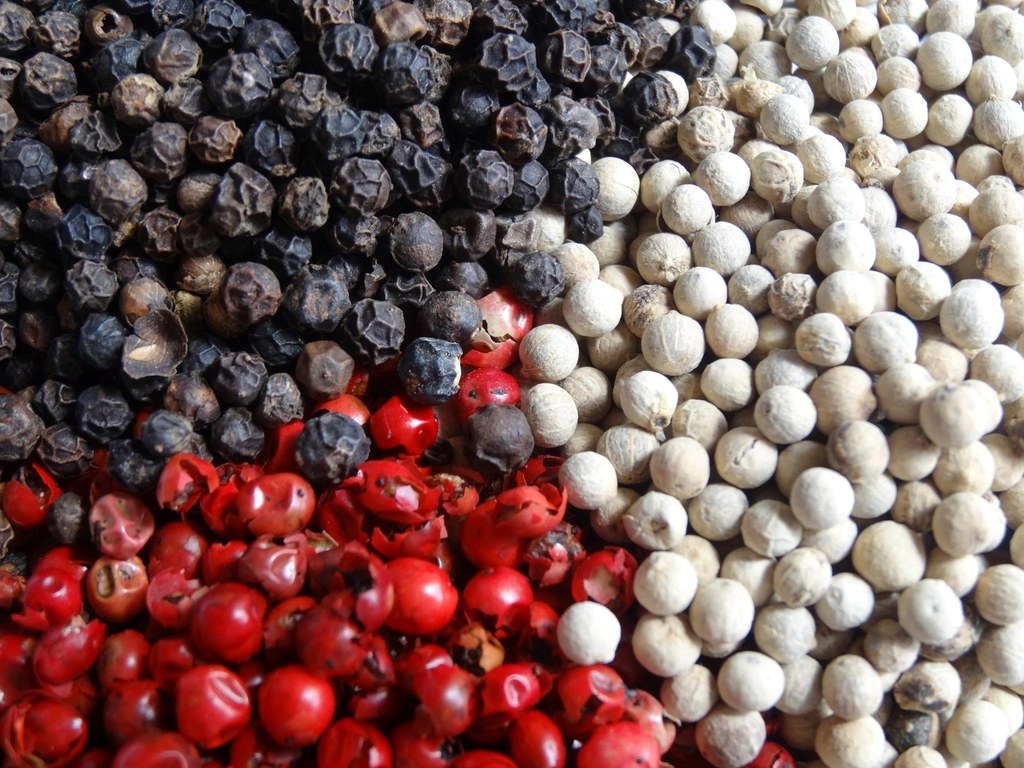
- Use the formula as a buffer. For blends and sauces, validate an approved alternative ratio (for example black versus white pepper) in advance so a supply gap does not stop production.
What this means for your brand
Firm global supply and stricter EU scrutiny reward buyers who lock in specifications, testing and traceability early. Review your pepper-containing SKUs now: confirm destination residue limits, agree how price changes will be shared, and require a certificate of analysis with every shipment.
If you are developing a seasoning or sauce range made in Vietnam, our products page lists the formats available. Cicook issues a COA for every batch and operates a US FDA-registered facility certified to ISO 22000:2018.
FAQ
How much pepper does Vietnam export each year?
Typically around 230,000-250,000 tonnes a year, according to VnEconomy citing VPSA. In 2026, exports reached 202,414 tonnes by 15 September.
Why are pepper prices relatively high in 2026?
VPSA says weather cut output in Vietnam, Indonesia and India while US and Chinese demand recovered. Even so, Vietnamese farm-gate prices in late September were VND 10,000-12,000/kg below a year earlier.
Planning a seasoning or sauce range? Contact us or message us on WhatsApp at +84 824 084 408.
References
- VietnamPlus (2 Oct 2026): Vietnam’s pepper exports top 1.3 billion USD, maintain growth momentum
- Viet Nam News (6 Oct 2026): Viet Nam’s pepper exports top $1.3 billion, maintain growth momentum
- VnEconomy (14 Sep 2026): Vietnam’s pepper exports rise 14.2% in 8M
- Xinhua (9 Sep 2026): Vietnam’s pepper exports hit 1.25 bln USD in first 8 months
Compiled and edited by the Cicook editorial team from the sources listed under References. For information only; please check the original documents before making business decisions.